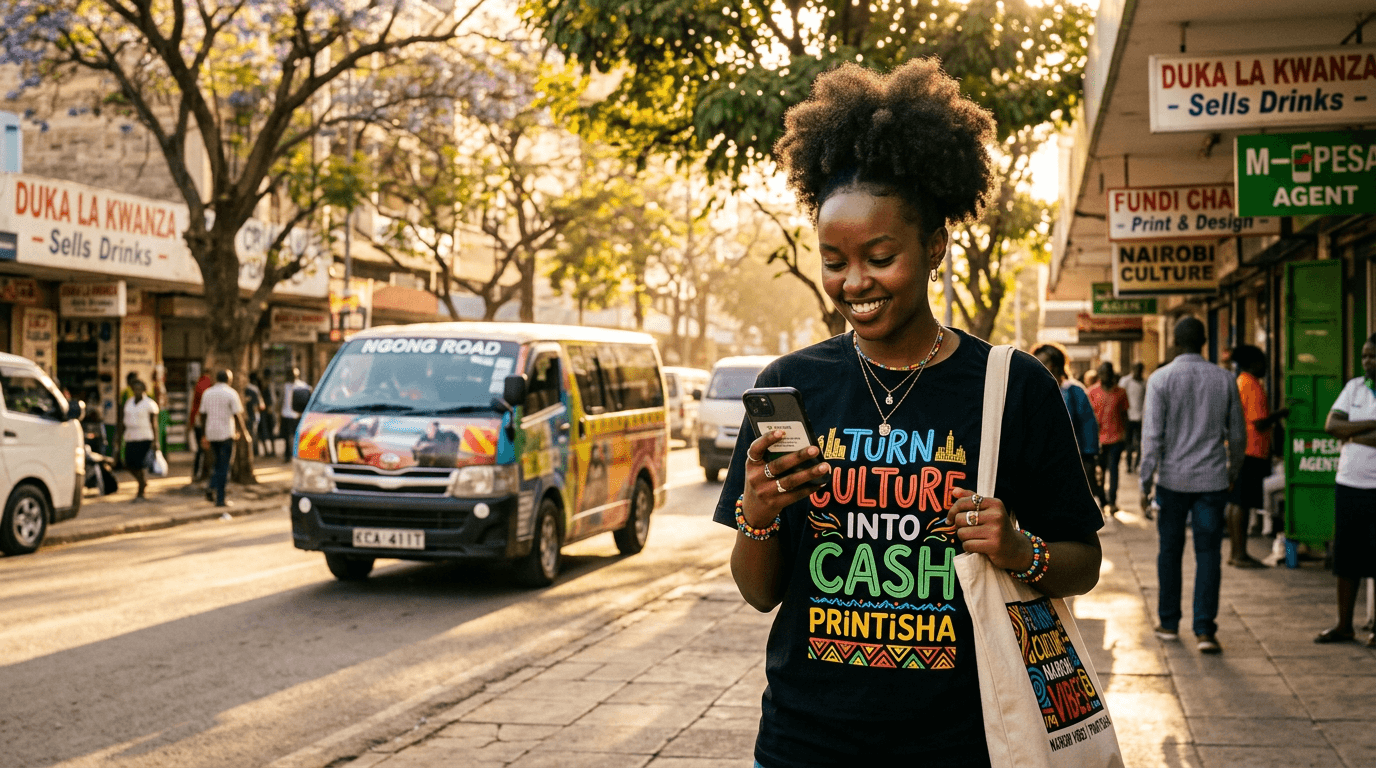
You have followers. Maybe 2,000. Maybe 20,000. But your M-PESA balance doesn't reflect it. Sound familiar?
Most Kenyan creators leave money on the table because they only know one or two monetisation methods — or because the methods they've heard about don't actually work at their follower count. This guide breaks down 7 real ways to earn from social media in Kenya, with actual KES numbers so you can pick what makes sense for your situation.
1. Brand Deals & Sponsorships
The classic. A brand pays you to promote their product on your page. In Kenya, this is the most visible monetisation method — everyone sees influencers posting #ad content. But the reality is more nuanced than it looks.
- Who it works for: Creators with 5,000+ followers and strong engagement (3%+ rate)
- Typical rates: KES 5,000–20,000 per post (micro-influencers), KES 50,000–500,000+ (macro)
- Pros: High pay per post, builds industry relationships
- Cons: Inconsistent income, you're dependent on brands reaching out, may conflict with your personal brand
- Reality check: Most Kenyan creators under 10K followers get offered free products, not cash. The "big money" brand deals require either a large audience or a very niche, high-value one.
2. Affiliate Marketing
You promote someone else's product and earn a commission when people buy through your link. In Kenya, this mostly works through Jumia's affiliate programme, Amazon (for tech products), and direct partnerships with local businesses.
- Who it works for: Creators in specific niches (tech reviews, beauty, fitness)
- Typical earnings: KES 2,000–30,000/month depending on audience size and niche
- Pros: Passive once set up, scales with content
- Cons: Low commission rates (3–10%), payment in USD from global programmes, requires high volume
- Reality check: Affiliate income is real but slow to build. Most Kenyan creators earn more from other methods unless they have a highly purchase-intent audience (like tech reviewers).
3. Selling Digital Products
E-books, templates, presets, courses, guides — anything you create once and sell repeatedly. This is underrated in Kenya but growing fast.
- Who it works for: Creators with expertise (photography, design, marketing, fitness, cooking)
- Typical earnings: KES 5,000–100,000+/month depending on product and audience
- Pros: High margins (no production cost after creation), truly passive income
- Cons: Requires upfront effort to create, needs trust and authority in your niche
- Reality check: Digital products work best when you solve a specific problem. "How to edit photos like me" presets sell better than a generic "social media tips" PDF.
4. YouTube Ad Revenue
Once you hit 1,000 subscribers and 4,000 watch hours, YouTube pays you for ads shown on your videos. Kenya's CPM (cost per thousand views) is lower than the US, but it's still real money.
- Who it works for: Video creators willing to commit to consistent uploads
- Typical earnings: KES 50–300 per 1,000 views (Kenya CPM), KES 10,000–100,000+/month for established channels
- Pros: Truly passive once videos are uploaded, compounds over time
- Cons: Slow to reach monetisation threshold, Kenya CPM is low, requires video production skills
- Reality check: YouTube is a long game. Most Kenyan YouTubers take 6–12 months to reach monetisation. But once you do, old videos keep earning.
5. WhatsApp Channels & Groups
This is uniquely Kenyan. Many creators run paid WhatsApp groups for tips, alerts, or exclusive content. Forex traders, betting tipsters, and business coaches have made this model work.
- Who it works for: Creators offering time-sensitive or exclusive info
- Typical earnings: KES 10,000–200,000+/month (depends on price per member and retention)
- Pros: Recurring revenue, direct access to audience, M-PESA-friendly
- Cons: High churn, requires constant value delivery, can feel transactional
- Reality check: This works if you have unique, valuable info. If your content is freely available elsewhere, people won't pay.
6. Freelance Services
Your social media presence becomes a portfolio. People see your work and hire you directly. This works for photographers, designers, videographers, writers, social media managers, and more.
- Who it works for: Anyone with a demonstrable skill
- Typical earnings: KES 20,000–200,000+/month depending on skill and clients
- Pros: High earning potential, you control pricing, builds a real business
- Cons: Trading time for money, client management, inconsistent workload
- Reality check: This is the most reliable income source for skilled creators, but it's not passive. You're building a service business, not a media business.
7. Selling Merch (The Method Most People Overlook)
Here's the one most Kenyan creators sleep on: turning your brand into physical products. T-shirts, hoodies, caps, tote bags — with your designs, your catchphrases, your brand.
Why do people overlook it? Because until now, selling merch in Kenya meant dealing with printers, inventory, and delivery. It was a headache. But with print-on-demand, that's no longer the case.
How Followers Translate to Merch Income
| Followers | Est. Monthly Sales | Est. Monthly Profit |
|---|---|---|
| 1,000–3,000 | 5–15 items | KES 5,000–15,000 |
| 3,000–10,000 | 15–60 items | KES 15,000–60,000 |
| 10,000–50,000 | 60–250 items | KES 60,000–250,000 |
| 50,000+ | 250+ items | KES 250,000+ |
These numbers assume an average profit of KES 1,000 per item and a 2–3% conversion rate. Your actual results depend on your engagement, your designs, and how well you promote.
How to Start Selling Merch in 5 Steps
- Step 1: Launch your drop on Printisha (free)
- Step 2: Design your first product using our built-in design tool
- Step 3: Set your selling price (you choose the profit margin)
- Step 4: Share your store link on all your socials
- Step 5: Earn to M-PESA every time someone buys
Want the full breakdown? Read our complete guide to selling merch in Kenya.
Platform-Specific Tips
Twitter (X)
- Pin a tweet with your merch store link
- Use viral moments — when a tweet blows up, plug your merch in the thread
- Create designs around trending topics and Kenyan culture
- Engage your quote tweets — your audience is in the replies
- Use Stories to show behind-the-scenes of your design process
- Add your store link to your bio (use Linktree if you have multiple links)
- Post Reels of customers wearing your merch — social proof sells
- Use product stickers in Stories for direct links
TikTok
- Show the design process in a time-lapse video — these go viral
- Use trending sounds with your merch visuals
- The "packing orders" format works incredibly well for merch
- Respond to comments with videos wearing the merch
- Share your store link on your Status regularly
- Create a broadcast list for merch drop announcements
- Use WhatsApp Business catalogue to showcase products
- Send the link directly when people ask about your merch (no more DM back-and-forth)
Which Method Is Right for You?
| Method | Min. Followers | Passive? | Upfront Cost | Earning Potential |
|---|---|---|---|---|
| Brand Deals | 5,000+ | No | KES 0 | High but inconsistent |
| Affiliate Marketing | 1,000+ | Semi | KES 0 | Low–Medium |
| Digital Products | 500+ | Yes | KES 0 (your time) | Medium–High |
| YouTube Ads | 1,000 subs | Yes | Camera/phone | Medium (long-term) |
| WhatsApp Groups | Any | No | KES 0 | Medium |
| Freelance Services | Any | No | Skill investment | High |
| Selling Merch (POD) | 500+ | Semi | KES 0 | Medium–High |
The best approach? Stack multiple methods. Use brand deals for big paydays, merch for consistent passive income, and freelance services for predictable revenue. Don't rely on just one.
Stop Leaving Money on the Table
If you have a following — even a small one — you're already doing the hard part. Growing an audience is the difficult thing. Monetising it is the part you can solve today.
Merch is the most overlooked method because it used to be hard. It's not anymore. With Printisha, you design, set your price, share your link, and earn to M-PESA. No inventory, no delivery, no upfront cost.
Launch your first drop — free →
About the author: Victor is the founder of Printisha, Kenya's first creator drop platform. He writes about the creator economy, social media monetisation, and building things for the African market.